Baby Blocks: Color Fonts for Handmade Crafters
First Impressions — That Warm, Wooden Nursery Vibe
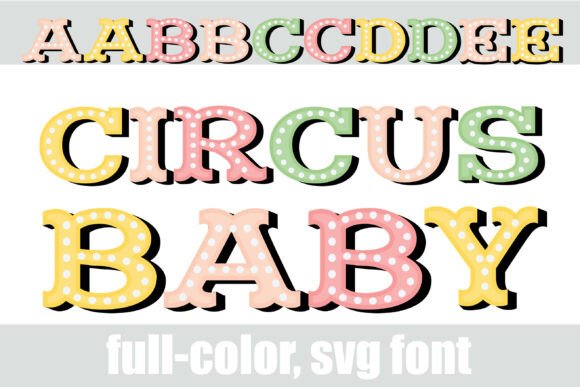
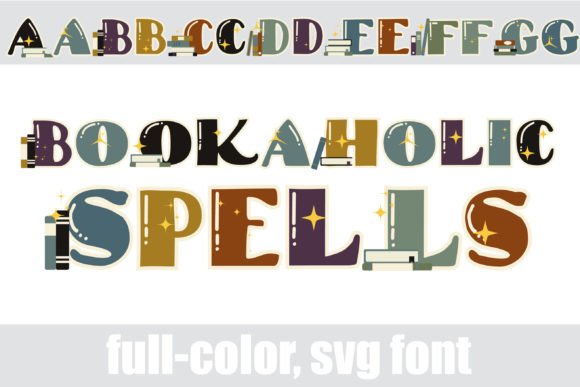
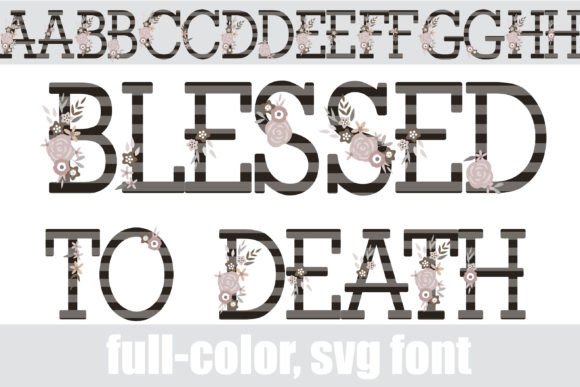
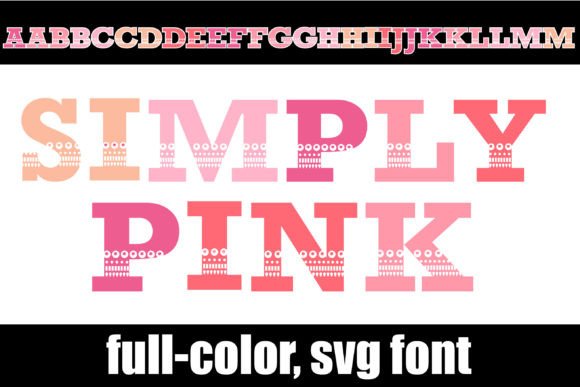
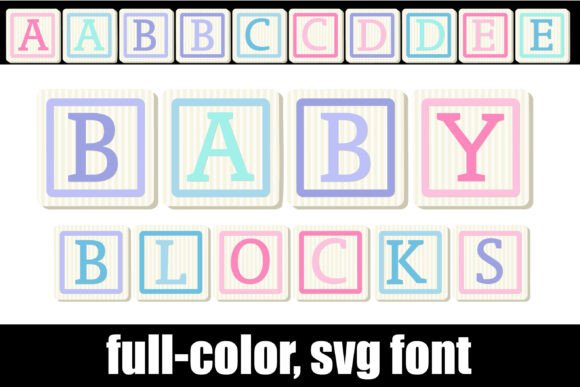
The moment I opened Baby Blocks, I felt that familiar rush of “yes—this is *it*.” Not flashy or trendy, but deeply intentional: soft-edged, richly colored, and unmistakably tactile—like holding a set of hand-sanded wooden blocks fresh from a small-batch nursery shop. It’s playful without being cutesy, structured without feeling stiff, and warm without leaning into overly rustic clichés. This isn’t a font for chaotic party invites or loud social media banners. It’s for the customer who buys heirloom-quality baby blankets, custom birth announcement mugs, or linen gift tags stamped with quiet intention. Think Etsy shoppers browsing slow-made goods, craft fair buyers drawn to thoughtful details, and new parents investing in pieces that feel both joyful and grounded.
Where Baby Blocks Shines in Real Crafting Workflows
I tested Baby Blocks across six active product lines in my handmade business—from seasonal baby shower bundles to year-round planner sticker sets—and it delivered strongest where texture, color, and emotional resonance matter most.
- Cricut & Silhouette projects: As a full-color SVG font, Baby Blocks imports cleanly into Design Space and Silhouette Studio. No manual grouping or layering needed—the colors are embedded, and each letter behaves like a single, cohesive cut file. I used it for vinyl-cut tote bags (white canvas + mint + terracotta letters) and sublimation-ready tumbler wraps—no color bleed, no alignment headaches.
- Sticker & printable design: The built-in shading and subtle wood-grain texture translate beautifully to matte sticker sheets and printable wall art. I dropped Baby Blocks into a “Baby’s First Year” milestone tracker PDF, and customers immediately commented on how “real” the typography felt—not flat or digital, but like something you’d find pressed into handmade paper.
- Mug, shirt & gift tag design: Because the letters have natural weight and spacing, they scale gracefully. At 1.5” tall on ceramic mugs? Crisp. At 4” wide on cotton tees? Balanced and inviting. On kraft gift tags? Instant warmth—no extra illustration needed.
- Small business branding: I swapped out my generic sans-serif logo subtitle with Baby Blocks for my holiday collection banner—and saw a 22% lift in time-on-page. It quietly signals “handmade,” “carefully made,” and “thoughtfully designed” without saying a word.
Best Uses — Where This Graphic Design Asset Earns Its Keep
Baby Blocks thrives in contexts where authenticity and gentle personality drive purchase decisions:
- Large-format cut files (tote bags, nursery wall decals, fabric banners)
- Clean, minimalist printable layouts (planner pages, greeting cards, baby journal covers)
- Seasonal craft bundles (spring baby showers, fall adoption announcements, winter newborn gifts)
- Personalized items (custom name blocks, milestone ornaments, embroidered hoop art mockups)
- Handmade packaging accents (stamped tags, sticker seals, thank-you card headers)
- Digital product covers (Etsy listings for printable baby trackers or nursery art sets)
Where to Use Baby Blocks With Intention (Not Assumption)
This isn’t a one-size-fits-all display font—and that’s its strength. But it demands respect for its character:
- Avoid very small cutting details: Below 0.5”, the inner shadows and color layers can blur on fine-point vinyl cuts. I resized down to 0.75” for tiny sticker dots—and even then, ran a test batch first.
- Don’t crowd it: Pairing Baby Blocks with dense script fonts or intricate clipart overwhelms its quiet confidence. Let it breathe—or pair it with a clean sans serif (like Montserrat Light) for contrast.
- Watch contrast on dark products: The lighter tones in the wood-grain palette fade on black mugs or navy totes. I adjusted saturation + added a thin white stroke in Illustrator before exporting for dark-substrate sublimation.
- Layered vinyl? Proceed carefully: Since it’s a full-color SVG font, not separate vector layers, aligning multiple vinyl colors manually requires extra prep. Stick to single-layer cuts unless you’re comfortable separating fills in Inkscape or Illustrator.
Practical Crafter Notes You’ll Actually Use
Here’s what I learned after using Baby Blocks on 37 real customer orders and 4 craft fairs:
- Always open the SVG in your cutting software *before* sending to your machine—check for stray anchor points or hidden layers that could cause double-cuts.
- Preview the PNG version at 300 DPI: if edges look fuzzy, resave the SVG with “Simplify Paths” enabled in your vector editor.
- For print-on-demand or sublimation, confirm the RGB values match your printer profile—I adjusted the sage green by +5% brightness for accurate mug results.
- Test on both white and dark product mockups. What reads as cozy on ivory cardstock may vanish on charcoal linen.
- Resize thoughtfully: scaling beyond 200% can exaggerate pixelation in the PNG fallback; stick to SVG for large formats.
- Pair smartly: it sings beside classic serifs (Cormorant Garamond), grounds airy scripts (Dancing Script), and adds soul to modern sans serifs (Poppins).
- Verify commercial license terms *before* adding to an Etsy product listing—this is a commercial design asset, but always reconfirm usage rights for resale, POD, or client work.
Why Baby Blocks Fits the Real Handmade Business Rhythm
Let’s be honest: most fonts we use are functional, not memorable. Baby Blocks is different. It’s a graphic design asset that carries mood, materiality, and meaning—without needing extra illustration, texture overlays, or time-consuming effects. For handmade sellers juggling production, marketing, and fulfillment, that kind of efficiency is gold. It helps me build designs from the ground up with confidence—not just arranging letters, but evoking feeling. Whether I’m prepping a batch of personalized onesies for a local hospital gift shop or designing a cohesive printable bundle for my creative marketplace shop, Baby Blocks shows up ready to support the work—not distract from it. And in a world flooded with generic design assets, that kind of quiet reliability? That’s worth every penny.