Gothic Arabic Calligraphy Bundle
A Designer’s First Stitch: What This Bundle *Actually* Brings to Real Embroidery Work
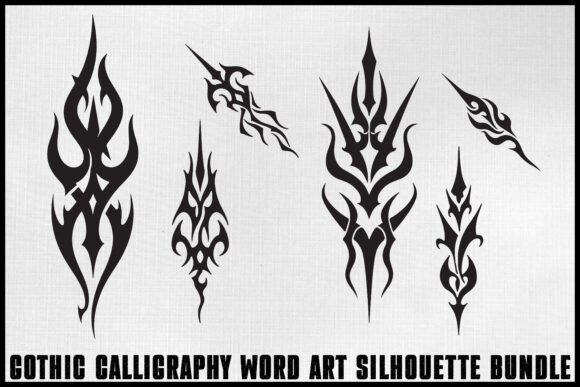
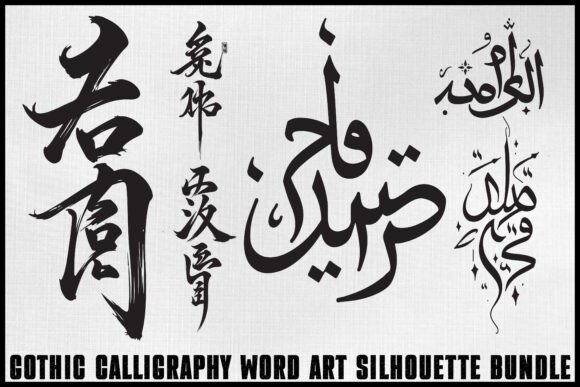
As someone who’s stitched over 300 custom projects—from boutique aprons to wedding keepsakes—I opened the Gothic Arabic Calligraphy Bundle expecting drama. And it delivered—but not in the way flashy listings promise. This isn’t just “Arabic + Gothic” slapped together. It’s a quiet, confident fusion: sharp, angular terminals meeting fluid Arabic letterforms, with intentional negative space and rhythmic weight distribution. The six designs feel curated, not generated—each one carries its own breath, whether it’s a single-word phrase or a balanced two-line composition. I immediately pictured it on a heavyweight linen tea towel for a Ramadan gift set—not as filler, but as the centerpiece.
Where It Shines (and Where It Asks for Your Attention)
The Gothic Arabic Calligraphy Bundle excels where clarity, reverence, and visual impact intersect. Think embroidered baby onesies with a delicate “Barakah” design, or a structured cotton tote for a cultural bookstore—stitched in matte black thread on oat-colored canvas. It reads beautifully at 3–4 inches wide, holding legibility even with satin-stitch curves and tight joins. On sweatshirts? Yes—especially midweight French terry with light cutaway stabilizer. The outlines are clean enough for smooth fill stitches, and the spacing between letters avoids dreaded “thread nesting” in dense areas.
But—and this matters—it’s not a “set and forget” embroidery file. That gothic sharpness means corners and fine terminals demand respect. On stretchy jersey or thin voile? You’ll need tear-away + topping, plus slower stitching speeds. On curved surfaces like caps? Prioritize the simpler, bolder designs from the bundle—avoid the most intricate silhouette if your hoop can’t comfortably accommodate the full height without distortion. And on dark fabric? Test contrast early: some phrases rely on crisp edges, so a high-sheen thread may glare where matte cotton would settle in quietly.
Real-World Fit: From Craft Fair Table to Etsy Listing
Last month, I used one of these designs for a limited-run batch of embroidered kitchen towels sold through a local artisan co-op. We chose the “Salam” variation—clean, centered, modest in scale. Customers didn’t just buy towels; they asked about the meaning, the script style, even the ink inspiration behind the vector lines. That’s the quiet power of the Gothic Arabic Calligraphy Bundle: it invites conversation while feeling deeply intentional. For Etsy sellers, that translates directly to better engagement, fewer “what does this say?” messages, and stronger perceived value—even before stitching begins.
It also works seamlessly across product types that share one thing: intentionality. A nursery pillow cover with “Rahma” stitched in soft ecru thread? Perfect. A minimalist patch for a denim jacket? Strong. A holiday gift tag for Eid boxes? Elegant and culturally grounded. But skip it for tiny baby hats (under 2”) or densely layered appliqué—those fine terminals won’t resolve cleanly at sub-inch scales, and the bundle doesn’t include simplified alternate versions.
Design Integrity Meets Practical Execution
What sets this bundle apart isn’t just aesthetics—it’s how well the vector foundation supports real embroidery translation. The EPS and SVG files open cleanly in Wilcom, Embrilliance, and Pulse without node explosion or stray anchor points. That means less cleanup time and more confidence when converting to PES or DST. The PNG and JPG previews are high-res and true-to-color, making printable mockups reliable for client approvals or shop banners.
That said: always test on scrap fabric first. Run a small version on your target fabric + stabilizer combo. Check stitch density visually—not just in software. Zoom in on terminals and inner counters (like the enclosed space in “Ha” or “Meem”) to confirm they’ll fill without puckering. Try it in black-and-white mockups too: does the rhythm hold up without color cues? Does the silhouette pop equally on light and dark backgrounds? These aren’t nitpicks—they’re what separate a handmade product that feels considered from one that feels rushed.
For the Craft Business Owner: Licensing & Longevity
If you’re a small shop owner or digital product seller, pay close attention to licensing terms—not assumed, but confirmed. The Gothic Arabic Calligraphy Bundle is listed under Graphics, not Crafts, which often signals commercial-use flexibility for physical finished products (like embroidered totes or patches), but rarely includes unlimited resale of the digital files themselves. Before listing an “embroidery kit” or selling SVGs alongside your stitches, verify whether redistribution or derivative digital assets are permitted. When in doubt, reach out to the creator—most ethical designers respond promptly.
Final Thought: Not Just a Design—A Design *Decision*
Using the Gothic Arabic Calligraphy Bundle isn’t about adding “exotic flair.” It’s choosing depth over decoration. It’s selecting a phrase that resonates, a script that honors tradition while feeling contemporary, and a file structure that respects your time and machine. It fits best where craftsmanship meets meaning: personalized gifts with heart, boutique merchandise with identity, and handmade products that customers keep—not because they’re pretty, but because they feel *true*.
Your Next Steps, Straight from the Hoop
- Test first: Stitch one design on your most common fabric/stabilizer pairing before batching.
- Check contrast: Print B&W and color mockups side-by-side on your intended background.
- Verify scale: Measure your smallest viable hoop size against the tallest design in the bundle.
- Review licensing: Confirm commercial rights for your specific use case—finished goods vs. digital resale.
- Respect the script: Choose phrases with cultural resonance, not just visual appeal—your customers will notice.