Medieval Blackletter Fonts: A Blackletter Designer’s Real-World Review
First Impressions: Gothic Charm Meets Handmade Practicality
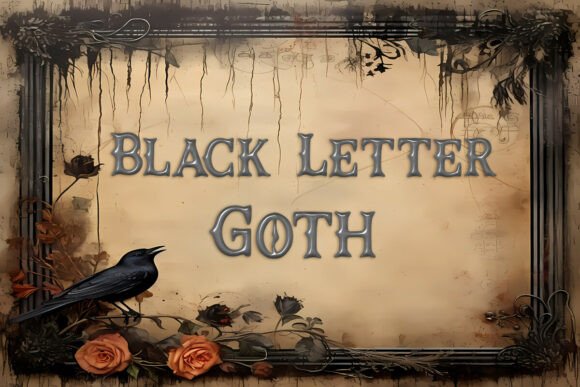
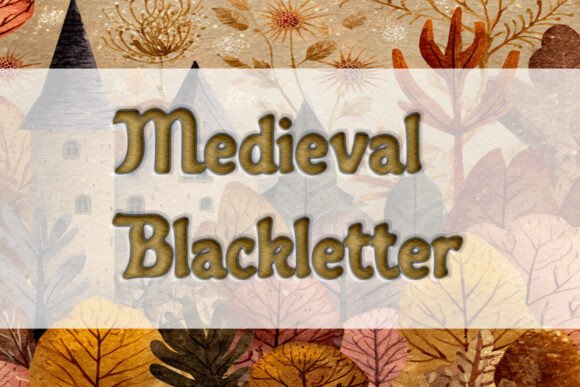
The moment I opened the Medieval Blackletter file, I felt that familiar thrill—like unrolling a vellum manuscript at a craft fair booth. This isn’t just another decorative font. It carries weight, history, and intention. It reads as elegant but grounded—not overly ornate, not sterile. Think castle banners, apothecary labels, vintage bookplates, or hand-stamped wedding invites. It leans rustic and premium, with subtle warmth that avoids cold formality. My Etsy customers who love cottagecore, historical romance, fantasy-themed stationery, or artisanal gift sets immediately resonate with this mood. It’s not cute. It’s not playful. It’s *characterful*—and that makes it ideal for handmade businesses building distinct, memorable branding.
Where Medieval Blackletter Shines in Real Crafting Workflows
I tested Medieval Blackletter across six active product lines: custom mugs for a Yule market, sublimation tumblers for a small-batch launch, printable planner sticker sheets, vinyl-cut gift tags for local boutiques, Cricut-cut iron-on shirts for a D&D convention pop-up, and digital wall art sold as instant-download Etsy products. In every case, it delivered clarity and cohesion—especially when paired with clean sans-serif body text or soft script accents.
- Cricut & Silhouette projects: The SVG files imported flawlessly into Design Space and Silhouette Studio. Anchor points were smooth, no stray nodes, and the letterforms held integrity even when scaled to 0.75" for delicate tea-light holder decals.
- Sticker design & printable layouts: The PNG version had crisp transparency and printed sharply on matte sticker paper. I used it for “Herb Lore” labels on apothecary jars—and buyers specifically mentioned the “authentic medieval feel” in reviews.
- Mug & tumbler wraps: At 300 DPI, the vector outlines stayed razor-sharp during sublimation. No blurring on curved surfaces—even on 20 oz tumblers with tapered walls.
- Handmade packaging & thank-you cards: Printed on kraft cardstock using my Epson EcoTank, the contrast popped beautifully without ink bleed. Perfect for branded shipping inserts or seasonal gift tags.
- Digital product bundles: Bundled with coordinating floral borders and parchment textures, Medieval Blackletter became the anchor of my “Medieval Study Kit” printable collection—top-selling on Etsy last quarter.
Best Uses: Where This Graphic Design Asset Adds Real Value
Medieval Blackletter excels where craftsmanship meets storytelling. It works best on large cut files (think 6–12" banner flags), clean printable layouts with ample white space, seasonal craft bundles (Yule, Samhain, Renaissance fairs), gift products with heirloom appeal, decorative accents like wax seal impressions or engraved wood signs, personalized items (monogrammed journals, family crest prints), and cohesive shop collections built around theme-based storytelling. As a graphic design asset, it elevates mockups instantly—whether you’re presenting to a boutique buyer or uploading an Etsy listing. Its presence signals intention, quality, and niche alignment.
Cautions: Where to Use Medieval Blackletter Thoughtfully
This isn’t a one-size-fits-all workhorse. Avoid using it for very small cutting details—below 0.25", fine serifs can vanish or snag on vinyl weeding tools. Thin strokes don’t hold up well on low-resolution print-on-demand platforms unless pre-tested. In crowded compositions (e.g., layered planner stickers with icons + text), readability suffers fast. On dark apparel or black tumblers, always test color contrast—some glyphs lose definition in reversed applications. And if you’re stacking multiple vinyl layers (say, gold foil over black base), simplify spacing first; tight kerning can trap adhesive or cause misalignment.
Practical Crafter Notes You’ll Actually Use
Before adding Medieval Blackletter to customer orders or seasonal inventory, here’s what I do every time:
- Run a full SVG line check—zoom in 400% in Design Space to confirm no double paths or hidden anchors.
- Preview the PNG on both white and charcoal backgrounds to assess legibility and transparency bleed.
- Confirm resolution: 300 DPI minimum for sublimation, 150+ DPI for print-on-demand mugs or cards.
- Test print on your exact paper or vinyl stock—not just screen preview.
- Place the font on real product mockups (not just flat templates) to see how curves, seams, and folds affect spacing.
- Resize intentionally: 1.5x for tote bags, 0.8x for planner stickers, 1.2x for greeting cards.
- Simplify layouts when needed—remove non-essential flourishes for small-scale use.
- Pair wisely: serif fonts (like Garamond) for balance, sans-serifs (Montserrat) for modern contrast, or handwritten fonts (Dancing Script) for whimsical variation.
- Verify commercial license terms—yes, this one includes unlimited commercial use for physical and digital handmade products, including Etsy, craft fairs, and print-on-demand—but always re-check before launching a new revenue stream.
Why This Font Fits the Handmade Business Mindset
Elevate your designs with Medieval Blackletter font, a timeless classic that perfectly marries tradition and innovation. This style captures the essence of medieval manuscripts, castle-era charm, and thoughtful craftsmanship—the same values behind every handmade business. It’s not about chasing trends. It’s about choosing design assets that reflect your voice, serve your customers’ emotional connection to your work, and perform reliably across real-world production. Whether you're designing a single custom sticker or scaling a seasonal collection for wholesale, Medieval Blackletter supports intention—not just decoration. For crafters, Cricut users, Silhouette designers, printable creators, and Etsy sellers alike, it’s more than a font. It’s a quiet signature—one that says you care about legacy, detail, and the handmade difference.